1. Their Preferred "Destinations"
Termites don’t choose their nesting sites at random; they are highly selective. Moisture and warmth are the two biggest draws for a colony. This is why you will most often find them in basements, crawlspaces, attics, or near the home’s foundation.
Beyond seeking a damp environment, termites will travel long distances for food. Their diet isn't limited to wood; they also consume paper, cardboard, and even drywall. Once they find a way inside, virtually no part of your home’s structure is completely safe.
2. They Live in More Than Just Wood
A common misconception is that termites only live inside wooden structures. In reality, there are over 2,000 species of termites, each with different nesting habits:
Subterranean Termites: Live in the soil and build underground nests.
Drywood Termites: Live entirely inside dry wood without needing soil contact.
Other Species: Can even survive in extreme environments.
Because behaviors vary so much by species, a "one-size-fits-all" treatment rarely works. Identifying the specific type of termite is the key to an effective solution.
3. Hidden Communication: The Power of Pheromones
The reason termite colonies operate so efficiently is their advanced "chemical language" called pheromones. Termites release these chemical signals to relay messages about food locations, warn the colony of danger, or manage reproduction. By understanding this behavior, professionals can track their movements and use their own communication trails to locate and eliminate the entire nest.
4. Red Flags: Signs of an Invasion
Termites are often called "silent destroyers," but they do leave behind clues if you know where to look:
Mud Tubes: Pencil-sized tunnels used to maintain moisture while they travel.
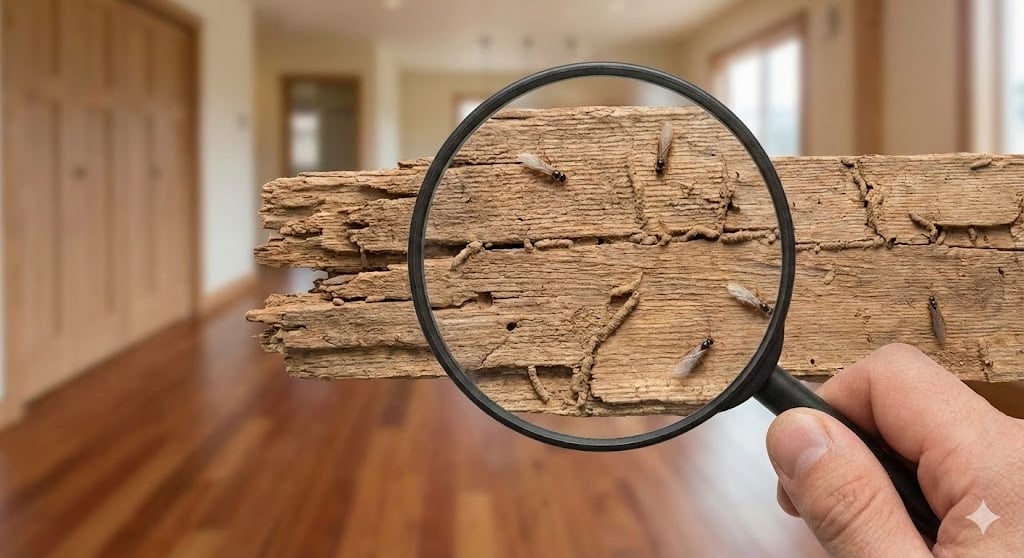
Swarming: The appearance of winged reproductive termites in spring or summer—a clear sign of a mature colony nearby.
Hollow Wood: Wood that looks intact on the outside but sounds hollow or papery when tapped.
Unusual Odors: Heavy infestations often give off a scent similar to mildew, mold, or damp leaves.
5. Their Natural Role in the Ecosystem
While they are a nightmare for homeowners, it’s worth noting that termites serve a purpose in nature. As natural decomposers, they break down dead trees and organic debris, returning vital nutrients to the soil. The problem only arises when their natural instincts lead them into our man-made structures.
Conclusion
Understanding termite behavior is your first line of defense. By knowing the "rules of their game," you can take action before minor damage turns into a major expense. If you suspect termite activity or want to schedule a preventative inspection, contact the Bio Termite Control team today. We’re here to protect your home with expert knowledge and professional solutions