
About Termites
Scientists have identified and documented more than 2,800 species of termites worldwide. As termites are primarily distributed in tropical and subtropical regions, their species diversity is exceptionally high.
In Malaysia, researchers have recorded over 200 termite species. Only a small proportion of these are considered structural pests, while the majority play an important role as decomposers in the ecosystem.
Few commonly encountered termite species are damage buildings
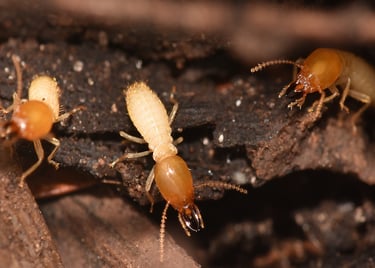
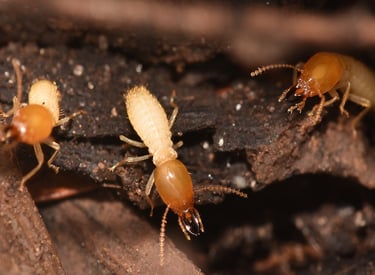
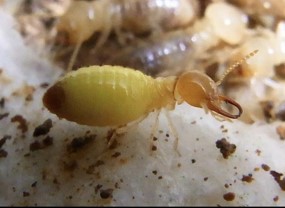
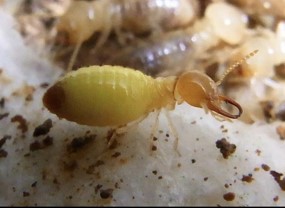
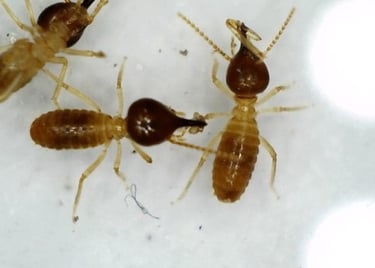
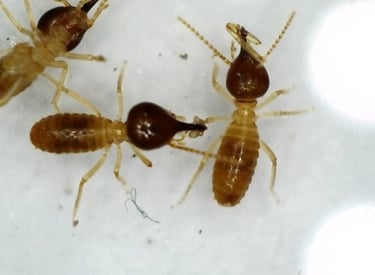
4. Macrotermes Gilvus
This termite can releases defensive fluid when threatened. Though it feeds and spreads slowly, it can still damage building structures and requires a longer treatment cycle.
Trunk-shaped head, defensive spray when threatened. Rare indoors, prefers bark and grass, and requires a longer, more complex treatment process.
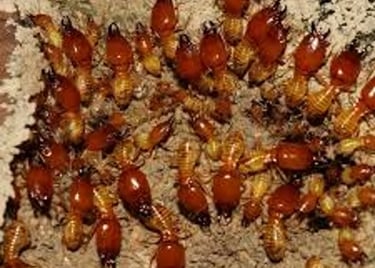
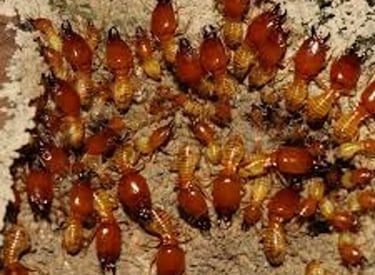
Large-headed and highly aggressive. Enters through cracks or drains and causes severe indoor damage. Requires targeted and professional treatment.
1. Coptotermes formosanus
One of Malaysia’s most destructive termites—highly reproductive and capable of damaging cement.
2. Globi Termes Sulphureus
3. Coptotermes Lacteus
The Termite Life Cycle: Understanding the Social Hierarchy
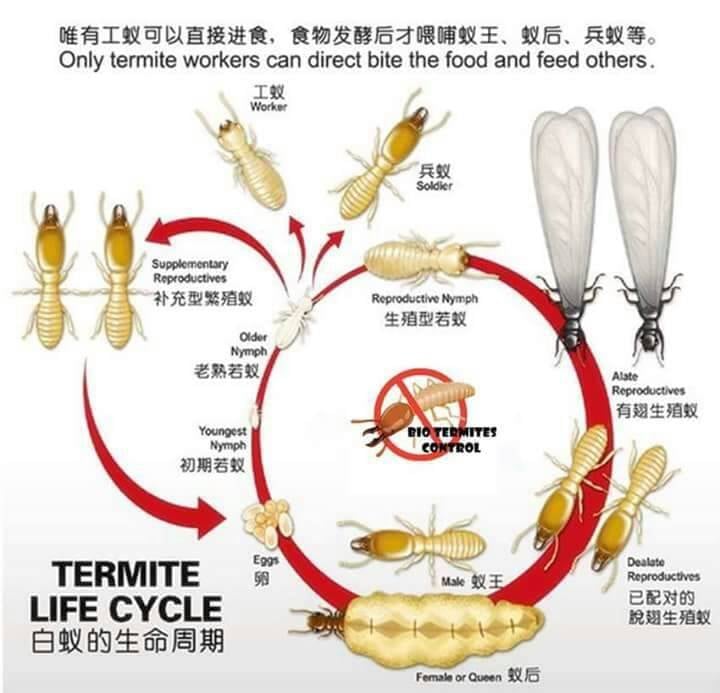
A termite colony is a highly organized society. While you may only see a few "white ants," thousands more are working in a continuous cycle beneath the surface.
1. The Foundation: Eggs & Nymphs
Every colony begins with the Queen laying eggs. These hatch into Youngest Nymphs, which are the "blank slates" of the colony. Depending on the needs of the nest, these nymphs will grow into specialized roles through several growth stages.
2. The Engine: Workers
Workers make up the largest part of the colony. They are the only ones capable of eating wood directly.
The "Food Delivery" Role: As shown in the diagram, only workers can digest food. They then feed the King, Queen, Soldiers, and young nymphs through a process of sharing nutrients.
Why it Matters: Our baiting system targets the Workers. Because they feed everyone else, they unknowingly deliver the treatment directly to the heart of the colony.
3. The Guard: Soldiers
Soldiers are the colony’s defense force. They have large, powerful jaws designed to fight off invaders like ants. Because they are built for fighting, they cannot feed themselves and rely entirely on the Workers for survival.
4. The Expansion: Alates (Swarmers)
When a colony is large and mature, it produces Alates (winged termites).
The Swarm: You usually see these flying near lights after a rainstorm.
The New Start: Once they find a mate, they shed their wings (becoming Dealate Reproductives) to start a brand new colony as a new King and Queen.
5. The Command Center: The King & Queen
The Queen is the most critical member. Her sole job is to produce thousands of eggs to keep the colony growing. Without the Queen, the colony cannot replace its members and will eventually die out.
"Most treatments only kill the Workers. Our Bio-Tech system uses the Worker's natural feeding habits to deliver a lethal blow to the Queen—destroying the source of the infestation forever."
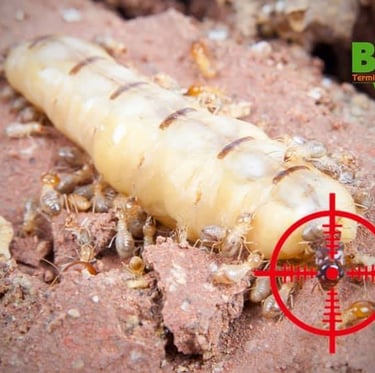
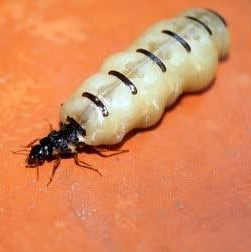
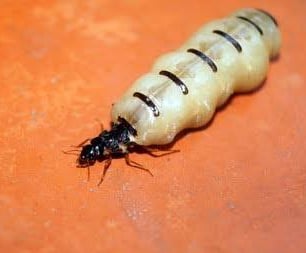
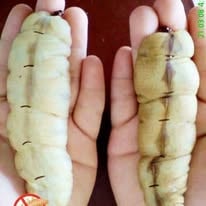
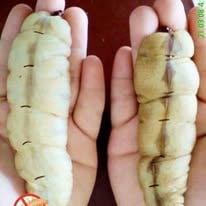
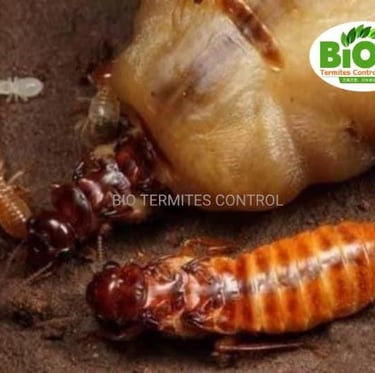
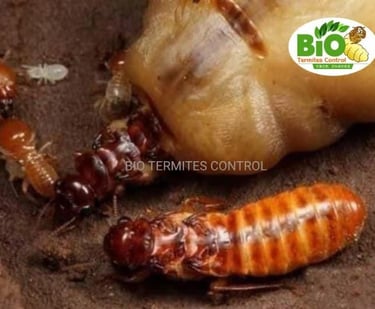
Size of Termite Queen
The Scale of the Threat: Understanding the Termite Queen
In a termite colony, the Queen is the "Biological Engine." While most people are familiar with the small, pale workers they see in damaged wood, the Queen is a completely different scale of creature.
To make this section professional yet accessible for your website, it is helpful to use a "Scale Comparison" approach. This emphasizes the biological reality of the infestation in a way that feels scientific rather than just scary.
A Massive Difference in Scale
When comparing a standard worker termite to its Queen, the difference is striking:
The Workers: These are the small, 5mm–10mm insects responsible for the physical damage to your property.
The Queen: A mature Queen can grow to be hundreds of times larger than her workers. In some species, she can reach the size of a human finger.
Why Does She Grow So Large?
Unlike an ant queen, who looks like a slightly larger version of her workers, a mature termite queen undergoes a process called physogastrism. Her abdomen expands to a massive, almost unrecognizable size to accommodate her primary role: reproduction.
The "Egg-Laying Machine"
The Queen's massive size allows her to function as a high-output production center for the colony:
Massive Output: A mature Queen can lay thousands of eggs every single day.
Longevity: She can live for 25 to 50 years, constantly repopulating the colony that is eating your home.
*Because the Queen is hidden deep within the most protected part of the nest and never leaves, traditional surface sprays cannot reach her. Our Bio-Tech Baiting System is specifically designed to use the Workers as a 'delivery service' to transport our treatment directly to the Queen, ensuring the entire colony stops at its source."
Our Advice
Termite control is not a DIY job.
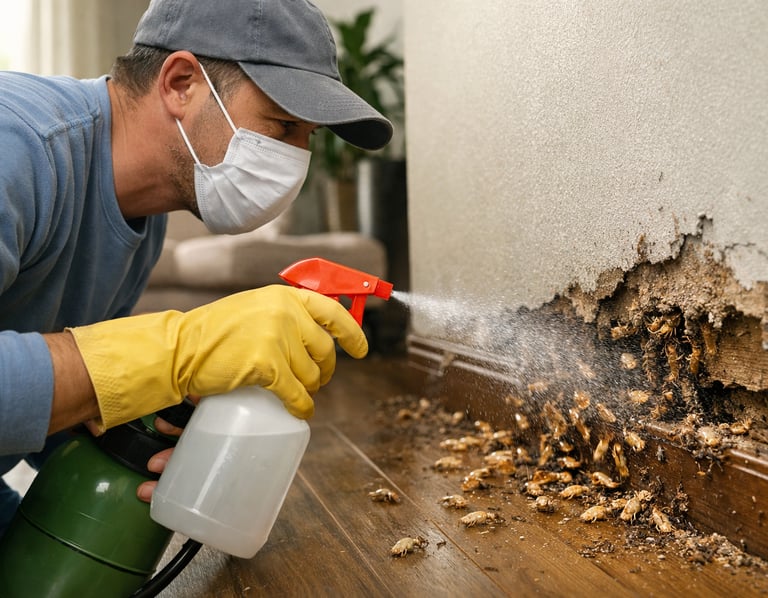
Effective treatment requires professional experience, proper skills, and specialized products. Different termite species need different treatment methods. Wrong or DIY treatments can cause termites to spread further—making the damage more severe and costly.
👉 Early professional treatment saves your properties & cost.
Contact Us
Call, WhatsApp, or Facebook us anytime
Address
Phone
Copyright© 2025. Biotech Termites Control (003798217-A). All rights reserved.
NO D4A, 2ND FLOOR
JALA PRIMA 1,
TAMAN RASA SAYANG,
43200 CHERAS, SELANGOR
Member of Bio Termite Control